
01 Jan Aluminum Recyclers Explained: How Aluminum Recycling Works and Why It Matters
Aluminum is part of everyday life. It is found in soda cans, food containers, car parts, window frames, and building materials. Because it is so common, many people do not stop to think about what happens to aluminum after it is thrown away. Aluminum recyclers play a key role in making sure this valuable metal does not end up wasted in landfills.
Aluminum recycling is not just about cleanup. It is about saving energy, conserving natural resources, and supporting a cleaner local environment. Understanding how aluminum recyclers operate helps individuals and businesses make better choices about scrap disposal.
Why Aluminum Is One of the Most Recycled Metals
Aluminum stands out because it can be recycled repeatedly without losing its strength or quality. Unlike many materials, recycled aluminum performs just as well as newly produced aluminum. This makes aluminum recycling highly efficient and practical.
Producing aluminum from raw ore requires large amounts of electricity and water. Recycling aluminum uses only a small fraction of that energy. This difference matters at scale. When aluminum recyclers process scrap metal instead of relying on new mining, it reduces environmental strain and lowers production costs across many industries.
Because of these benefits, aluminum recyclers remain essential to manufacturing, construction, automotive, and packaging sectors.
What Aluminum Recyclers Actually Do
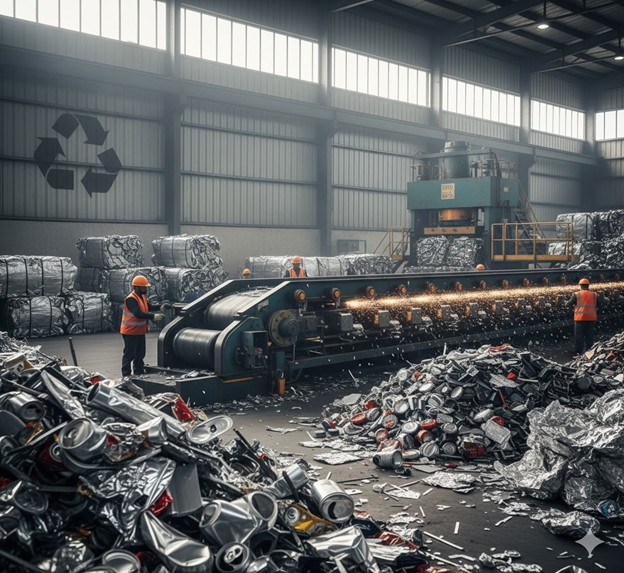
Aluminum recyclers specialize in collecting, sorting, processing, and reselling aluminum scrap. This includes both clean aluminum and mixed scrap materials. Their work follows a structured process designed to recover the highest possible value from used metal.
The role of aluminum recyclers includes:
- Accepting aluminum scrap from households, contractors, and businesses
- Identifying different aluminum grades
- Removing contaminants like plastic, rubber, or steel
- Processing scrap into usable raw material for manufacturers
Companies such as Atlas Iron & Metal Company, Inc work closely with local suppliers to keep aluminum moving back into productive use.
The Aluminum Recycling Process Step by Step
Understanding how aluminum recycling works helps explain why professional aluminum recyclers are so important.
First, aluminum scrap is collected. This may include cans, siding, wheels, sheets, or industrial scrap. Aluminum recyclers inspect the material to determine its type and condition.
Next, the aluminum is sorted. Different grades of aluminum melt at slightly different temperatures. Sorting ensures quality and consistency. Advanced facilities use magnets, air separation, and manual checks to remove non-aluminum materials.
After sorting, the aluminum is cleaned. Oils, paint, or debris are removed to prevent impurities during melting. Clean scrap results in stronger recycled aluminum.
The aluminum is then shredded or compressed. This step improves melting efficiency and reduces transportation volume.
Finally, the aluminum is melted and formed into ingots or billets. These recycled aluminum products are sold to manufacturers who use them to create new goods.
Environmental Impact of Aluminum Recycling
Aluminum recycling offers measurable environmental benefits. Using recycled aluminum instead of raw ore reduces energy use by up to 95 percent. This reduction directly lowers greenhouse gas emissions.
Aluminum recyclers also help reduce landfill waste. Aluminum products that end up in landfills can take hundreds of years to break down. Recycling keeps these materials in circulation and out of disposal sites.
In addition, aluminum recycling reduces mining activity. Mining bauxite ore can damage ecosystems and water sources. By supporting aluminum recyclers, communities help protect natural landscapes.
Economic Benefits for Businesses and Individuals
Beyond environmental advantages, aluminum recycling offers financial value. Aluminum scrap holds consistent market demand, making it one of the most profitable recyclable metals.
Businesses that generate aluminum scrap can lower waste disposal costs and earn revenue through recycling. Construction companies, auto shops, and manufacturing facilities often work directly with aluminum recyclers to manage scrap efficiently.
Individuals also benefit. Recycling aluminum cans and household scrap provides extra income while supporting sustainable practices. Aluminum recyclers provide fair pricing based on current market rates and material quality.
Common Types of Aluminum Accepted by Recyclers
Aluminum recyclers handle a wide range of materials. Common examples include:
- Aluminum cans and beverage containers
- Aluminum siding and roofing
- Extrusions from windows and doors
- Aluminum wheels and auto parts
- Sheet aluminum and plate scrap
- Industrial aluminum turnings and clippings
Knowing what types of aluminum recyclers accept helps reduce confusion and ensures smoother transactions.
How to Prepare Aluminum for Recycling
Preparing aluminum properly makes the recycling process more efficient. Aluminum recyclers recommend separating aluminum from other metals whenever possible. Removing plastic liners, rubber seals, or excessive dirt improves scrap value.
Flattening cans or bundling scrap also saves space and speeds up processing. While aluminum recyclers can handle mixed loads, cleaner material often receives better pricing.
Choosing the Right Aluminum Recycler
Not all recycling facilities operate the same way. Choosing a reputable aluminum recycler ensures accurate weighing, fair pricing, and responsible processing.
Atlas Iron & Metal Company, Inc has built its reputation on reliability, transparency, and service. With years of experience handling aluminum scrap and other metals, the company supports both small and large recycling needs.
Working with established aluminum recyclers also ensures compliance with environmental standards and local regulations.
Why Aluminum Recycling Matters Long Term
Aluminum recycling supports long-term sustainability. As demand for aluminum grows, recycling reduces pressure on natural resources. It also strengthens domestic supply chains by keeping valuable materials local.
Aluminum recyclers act as the link between waste and reuse. Their work supports jobs, manufacturing stability, and environmental responsibility.
When individuals and businesses choose recycling over disposal, they contribute to a system that benefits everyone.
A Smarter Way Forward
Aluminum recycling is not complicated, but it does require the right partners. Aluminum recyclers provide the expertise and infrastructure needed to turn scrap into opportunity.
Atlas Iron & Metal Company, Inc remains committed to helping customers recycle aluminum efficiently and responsibly. Whether you have household scrap or industrial aluminum, professional recycling makes a measurable difference.
Ready to recycle aluminum the right way? Contact Atlas Iron & Metal Company, Inc today at +1 323-566-5184 and speak with a knowledgeable aluminum recycling professional.